Discover how the Blockchain-on-Chip “black box” enables autonomous drones, vehicles, and machines to record verifiable data. Learn how this TRL 6 technology ensures trust, accountability, and safety across land, sea, air, and space.
Autonomous systems - from delivery drones and self-driving vehicles to maritime drones and satellites - are rapidly becoming part of daily life. But as machines gain independence, one challenge remains critical:
How can we trust what autonomous machines have done?
Traditional logging and monitoring systems are often centralized, editable, or vulnerable to tampering. To ensure autonomous system accountability, we need a solution that is secure, tamper-resistant, and independently verifiable.
Enter the Blockchain-on-Chip Black Box - a breakthrough technology that allows machines to record operational data directly onto a cryptographically secure blockchain ledger.
What is a Blockchain Black Box?
A blockchain black box functions like a flight recorder for autonomous machines. Unlike standard logging systems, data stored on the blockchain is:
Immutable, it cannot be altered or deleted.
Tamper-resistant, secured with cryptography.
Independently verifiable, third parties can confirm actions without relying on a central authority.
This means autonomous machines can prove what they have done independently, enabling trust for regulators, insurers, investigators, and the public.
From Concept to Real-World Drone Testing
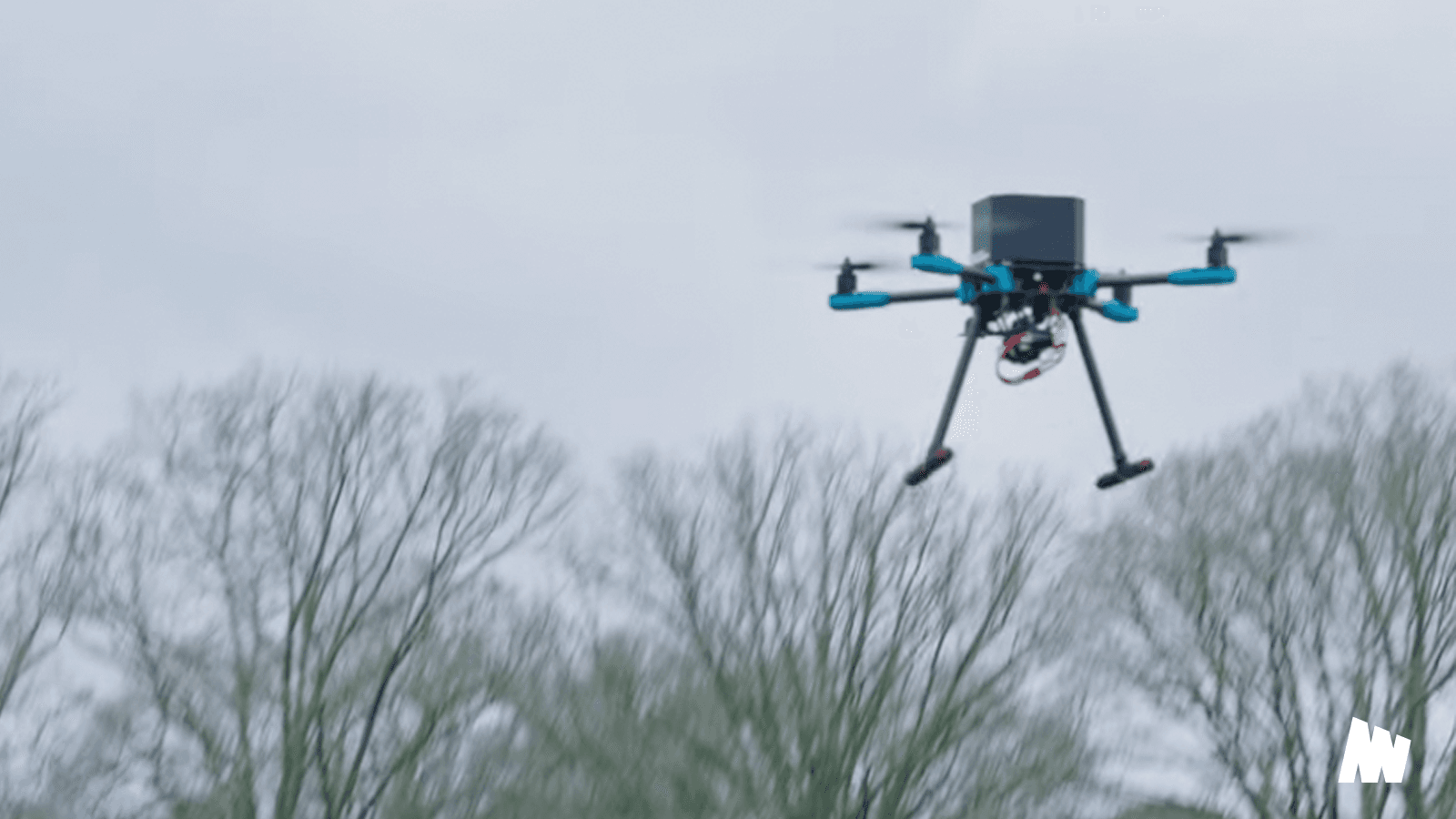
Developed in collaboration with the University of Southampton, and supported by Arm and Siemens, the Blockchain-on-Chip team achieved the world’s first demonstration of a blockchain black box on a drone in flight.
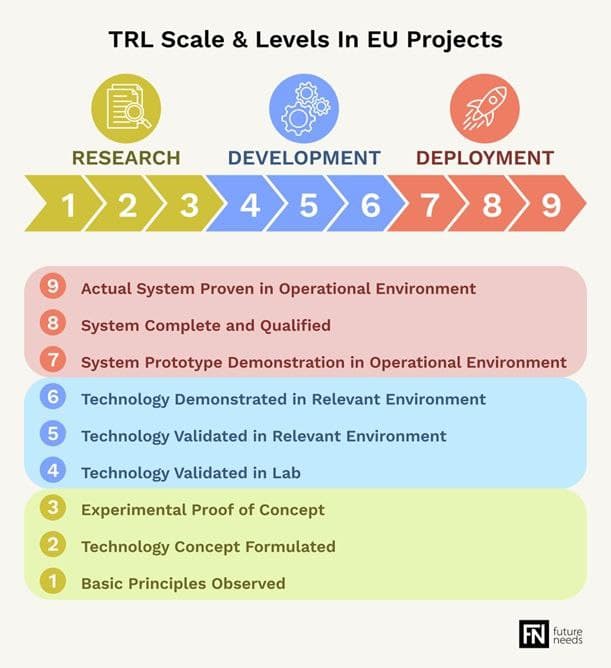
This milestone moved the project to Technology Readiness Level 6 (TRL 6), confirming that the system works in a relevant operational environment — a crucial step toward real-world deployment.
The demonstration included:
-
Integration of blockchain recording directly onto the drone’s chip
-
Secure, real-time logging of flight data
-
Proof that the system is reliable, verifiable, and tamper-resistant
As autonomous systems take on more responsibility, trust and accountability are key:
-
Autonomous vehicles must prove safety decisions on public roads
-
Delivery drones need to validate operations in urban airspace
-
Maritime systems require verified data for offshore inspections
-
Satellites must operate independently while logging actions for compliance and mission validation
A blockchain black box ensures that the machine’s record of actions is secure, verifiable, and reliable — even without human oversight.
The implications of blockchain-enabled autonomous systems extend beyond drones
- Land: Self-driving cars, robotics, and warehouse automation
- Sea: Autonomous shipping, maritime drones, and offshore monitoring
- Air: UAVs, airspace management, and drone delivery networks
- Space: Satellites and off-world infrastructure requiring independent verification
By providing verifiable machine data, this technology enables safe and accountable autonomous operations in any environment.
A Milestone Toward Trusted Autonomy
The Blockchain-on-Chip black box marks a critical step in making autonomous machines trustworthy. By reaching TRL 6, the technology has proven itself in a real-world environment, bridging the gap between concept and deployment.
As autonomous systems become more widespread, the ability for machines to independently prove their actions will be essential - for regulators, insurers, developers, and the public alike.
The Blockchain Black Box is not just a technological achievement, it’s a foundation for the future of trusted autonomous systems.
Watch the full documentary on the world’s first blockchain black box below: